Global society makes billions of images and uploads hundreds of thousands of hours of video on the internet every day.
The problem is, some of this content is misleading or downright wrong. And when it’s in visual form, it can be particularly convincing.
Take the Met Gala that happened earlier this month in New York. While photographers snapped photos of Rhianna, Beyoncé and Nicole Kidman as they strutted their stuff, others saw “photos” of celebrities, such as Rosalía, Lady Gaga and Jacob Elordi, who were actually elsewhere (the images in the below Instagram carousel are AI generated).
While this type of AI slop might seem harmless and can be easily verified, other “media fakery” is becoming far more problematic and demands more robust techniques to verify.
Traditional verification techniques are falling short as AI becomes increasingly convincing and the line between authentic and synthetic blurs. This is true across all content, from still images to moving ones and audio deepfakes.
The volume of content and the speed at which it travels doesn’t help. It also doesn’t help that fact-checking can take hours or days while fakes can be created in seconds.
First, equip yourself
Guides on detecting AI-generated content suggest multiple strategies and acknowledge there are no perfect solutions. But there are helpful things you can do.
Familiarise yourself with examples of fakes and study how they were fact-checked. This helps you understand what is possible and learn how fact-checkers sort real from fake.
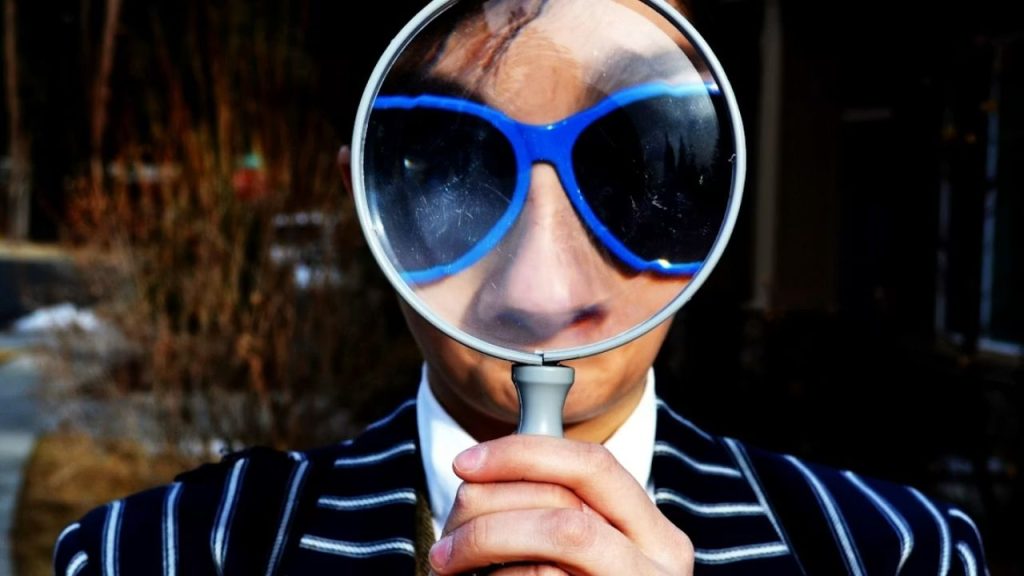
Look deeply. Zoom in. Pause the content or watch it frame-by-frame. Inspect the small details. Look out for inconsistencies, textures that are flat when they shouldn’t be, or patterns that are too perfect or are inexplicably off. Does the location shown match with where the scene is purported to be? Do shadows fall naturally and do lines follow the rules of perspective?
Look widely. Are you familiar with the source? What else does it publish and how long has it been around? What do other trusted sources say? How does this depiction compare to others that are available? Or if there aren’t others available, should that give you pause?
Then, apply your learnings
Let’s take an example and work through it together.